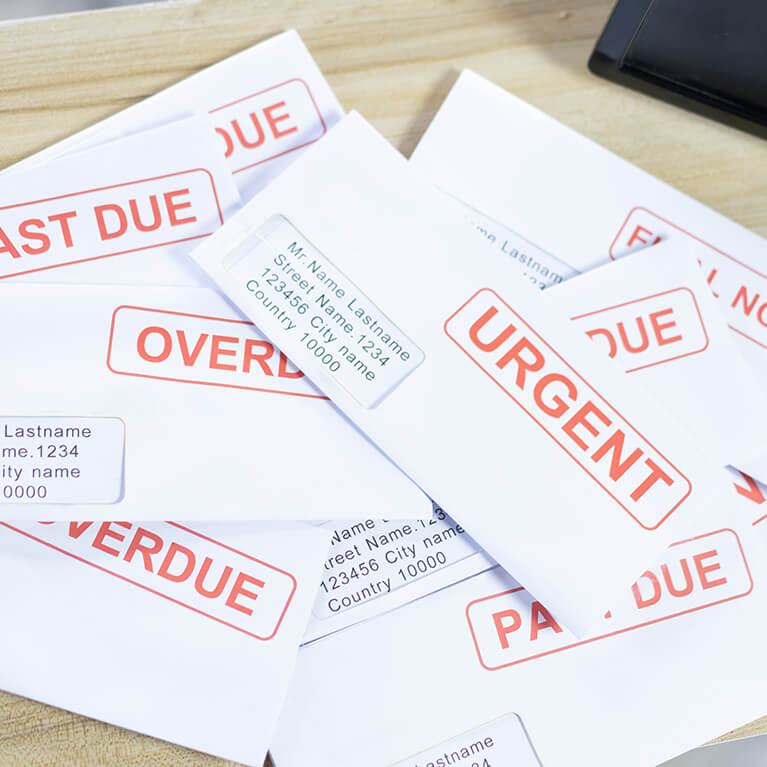
Debt Collectors Are Taking More Consumers to Court—and Winning
Elijah Nicholson-Messmer, Barron’s
With consumer debt cheap and federal regulators sidelined, debt collection giants are increasingly turning to litigation to secure payouts.
It’s a good time to be a debt collector. Consumer delinquencies are near their highest levels since the financial crisis, creating what analysts call a “Goldilocks” environment for debt collectors. Simply put: Debt is cheap, and collections are strong…
Read moreAs US Medical Debt Grows, AI Will Be Used More to Collect It
Jessica Glenza, The Guardian
Medical debt is expected to grow in coming years as Republican-led health cuts come into force this winter.
As it does, a changing world of medical billing and debt collection awaits patients: one where artificial intelligence increasingly listens, codes, bills, and collects. Artificial intelligence takes notes in exam rooms, codes visits, sends out billing messages, and powers AI agents…
Read more
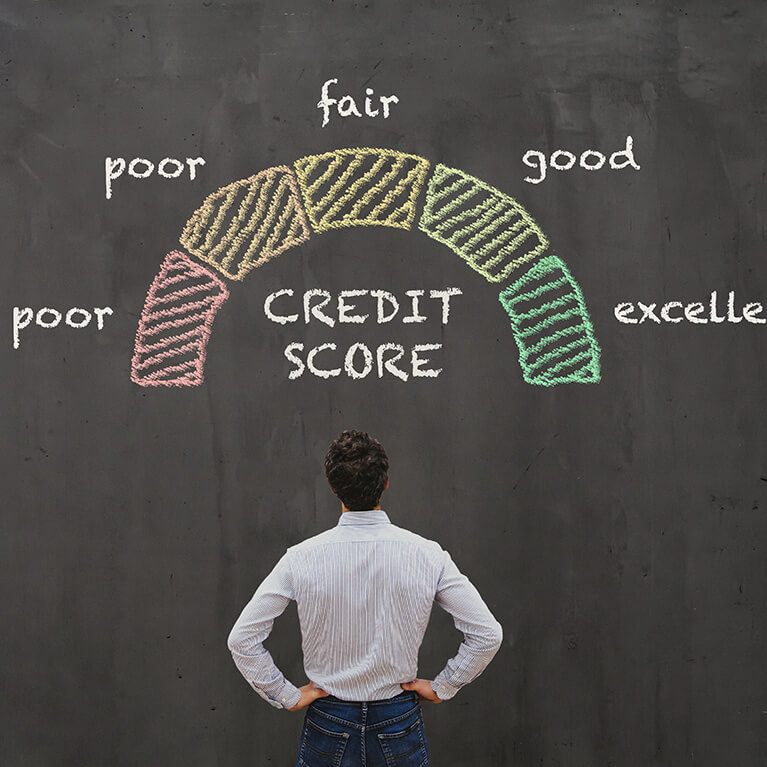
A Credit-Score Shift at Fannie and Freddie Is Shaking Up the Mortgage Market
Jasmine Li and AnnaMaria Andriotis; Wall Street Journal
Trump administration, lenders say adoption of a rival to FICO will drive down mortgage costs, but some raise alarms about underwriting risks.
For decades, FICO credit scores played a critical role in determining homeownership for many Americans. Now the mortgage industry is embracing another metric…
Read moreWe Need to Redefine What It Means to Be 'Unbanked' or 'Underbanked'
Taylor C. Nelms and Nadia van de Walle; American Banker
The unbanked rate in the United States sits at a record low of 4.2%. Estimates of the number of underbanked consumers have dropped over the past 15 years.
Based on the financial inclusion metrics the industry has used for a generation, this represents steady progress. Low-cost Bank On accounts, the spread of mobile banking, and sustained attention from providers, regulators, and community organizations have made meaningful inroads…
Read more

OCC Blasts Debanking Instances by JPMorgan, Others in Report
Dan Ennis, Banking Dive
The agency combed through the policies and individual account-closing decisions at nine banks, alleging discrimination, mostly against conservatives. The CFPB also said it would investigate.
The OCC on Wednesday followed through on its promise to show proof that nine banks under its purview held “policies or practices” between 2020 and 2025 that “may have required, encouraged or otherwise influenced” debanking on the basis of customers’ political or religious leanings…
Read more